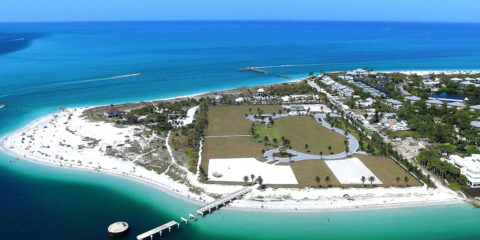
Sanibel Island
Sanibel Island feels made for travelers who love Florida in its most natural form. This Gulf Coast barrier island near Fort Myers is famous for seashell-covered beaches, abundant birdlife, mangrove waterways, bike paths, and sunsets that make everyone pause. It is relaxed, outdoorsy, and full of small discoveries.
Hurricane Ian caused catastrophic damage to Sanibel in 2022. The island has made meaningful progress, but recovery and rebuilding continue, and the status of beaches, businesses, roads, and facilities can change. Check official local updates and contact individual businesses before visiting. Responsible tourism at open establishments can be a positive way to support the community.
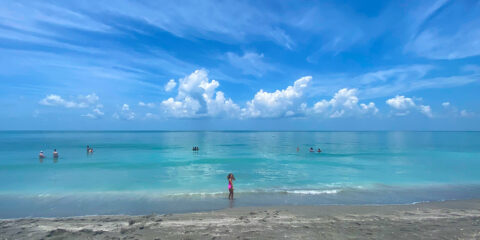
Beaches and Famous Shelling
Sanibel’s unusual east-west orientation helps its shoreline collect an impressive variety of shells. Early morning and the hours after a tide change are popular times to beachcomb, but every walk can turn up something beautiful. Follow local rules, leave live shells and living creatures where you find them, and remember that the beach is habitat as well as a vacation playground.
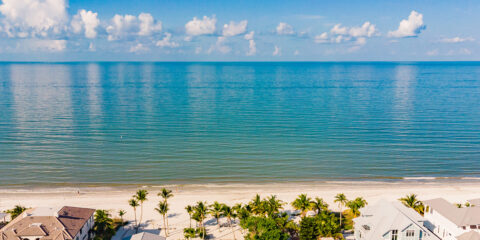
Bowman’s Beach is loved for its spacious, natural setting, while Lighthouse Beach Park combines Gulf and bay views near the island’s historic lighthouse. Public access, parking, restrooms, and beach conditions may change during ongoing recovery, so confirm current details before choosing your spot.
Explore “Ding” Darling
The J.N. “Ding” Darling National Wildlife Refuge protects mangroves, wetlands, and habitat for a remarkable variety of birds and other wildlife. Depending on current operations, visitors may explore by wildlife drive, trail, boardwalk, bike, or guided activity. Bring binoculars and insect protection, keep a respectful distance from animals, and check refuge alerts before arrival.
Biking, Paddling, and Wildlife Tours
An extensive network of shared-use paths makes bicycling one of the most enjoyable ways to see Sanibel. Pedal between beach areas and natural attractions, ride predictably, and watch for driveways and crossings.
Kayaks and paddleboards open another side of the island, with mangrove forests, estuaries, and calm waterways to explore when weather allows. Guided tours can help visitors spot dolphins, manatees, and coastal birds while learning about the ecosystem. Give wildlife plenty of room and never feed or chase an animal for a photo.
Getting to Sanibel
The Sanibel Causeway connects the island to the Fort Myers area. Tolls, traffic patterns, and construction conditions can change, so check current Lee County travel information. Southwest Florida International Airport (RSW) is the nearest major airport and is generally about a 30-minute drive in light traffic, though travel time can increase substantially during busy periods.
Rental cars, taxis, ride-sharing, and private shuttles may be available from the airport. If you do not plan to drive, arrange island transportation in advance because service and availability can vary.
Parking and Access Tips
Public beach lots are available near designated access points, usually with posted payment and permit rules. Parking is intentionally limited in some places to protect the island’s character and environment, and popular lots can fill early. Never park outside marked spaces or along roads where restrictions apply.
Your hotel or vacation rental may include parking and bike storage. Travelers with specific accessibility needs should verify routes, restroom availability, and beach-access features with the relevant park or property before visiting.
Slow Down and Enjoy Sanibel
Sanibel rewards an unhurried itinerary. Watch roseate spoonbills in the refuge, bike beneath palms, search the wrack line for shells, and end the day facing the Gulf. By checking current recovery information and treating the island’s habitats with care, visitors can enjoy an extraordinary Florida escape while supporting the community that calls it home.